


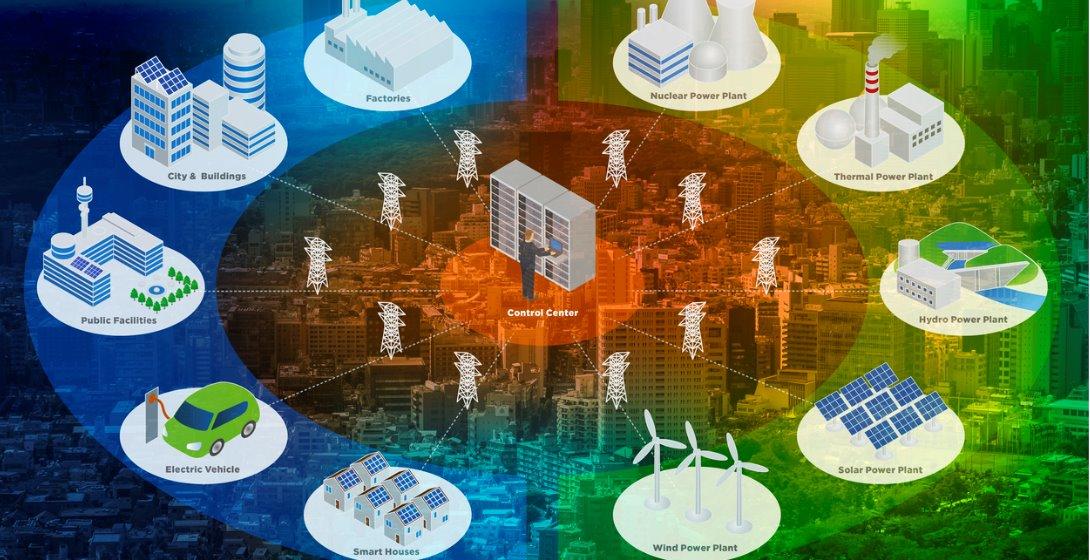
To fully comprehend the massive undertaking of modernizing the world's energy system, one must look at the complex and collaborative structure of the Smart Grid Industry. This is not a simple industry of utility companies and their suppliers; it is a sophisticated, multi-layered ecosystem where traditional industrial giants, cutting-edge technology firms, telecommunication providers, and regulatory bodies all play crucial, interconnected roles. This ecosystem is responsible for everything from manufacturing the physical components of the grid to writing the complex software that controls it and setting the policies that govern it. Understanding the different players and their relationships is key to appreciating how a simple smart meter in a home is connected to a vast network of technology and expertise that is working to create a more efficient, reliable, and sustainable energy future.
At the core of the industry are the utility companies themselves—the regulated monopolies or competitive energy providers that are responsible for generating, transmitting, and distributing electricity to end customers. They are the ultimate owners and operators of the grid and are the primary customers for the smart grid industry. They are responsible for developing the business case for grid modernization, securing regulatory approval for these massive investments, and managing the complex, multi-year deployment projects. Surrounding them is a vast array of technology and equipment providers. This includes the major electrical equipment manufacturers like Siemens, GE, and Schneider Electric, who provide the heavy-duty hardware like transformers, switchgear, and substation automation systems, all of which are being updated with new digital capabilities.
A second, equally important layer of the industry is comprised of the IT, software, and communications companies. The Smart Grid Market is Estimated to Grow USD 155.16 Billion By 2035, Reaching at a CAGR of 12.75% During the Forecast Period 2025 - 2035. A huge portion of this market value is being created by these technology-focused firms. This includes companies like Cisco and Itron, which provide the secure and robust communication networks (using fiber, wireless, and other technologies) that form the nervous system of the smart grid. It also includes major enterprise software companies like Oracle and SAP, as well as a host of specialized software vendors, who develop the critical software platforms—such as Advanced Distribution Management Systems (ADMS) and grid analytics software—that act as the brains of the operation, processing data and automating control of the grid.
The entire smart grid industry operates within a framework established by government and regulatory bodies. Energy regulators at the state and national level play a critical role, as they must approve the massive investments that utilities make in smart grid technology and determine how the costs of these investments are passed on to consumers. These bodies are responsible for balancing the need for grid modernization with the goal of keeping electricity rates affordable. In addition, government agencies and national laboratories often play a key role in funding research and development for new grid technologies and in setting standards for interoperability and cybersecurity. This complex interplay between private industry innovation and public policy oversight is a defining characteristic of the smart grid industry, shaping the pace and direction of its development.
Explore Our Latest Trending Reports:

 English
 Arabic
 French
 Spanish
 Portuguese
 Turkish
 Dutch
Dutch
 Italiano
 Russian
 Romaian
 Portuguese (Brazil)
 Tiếng Việt